
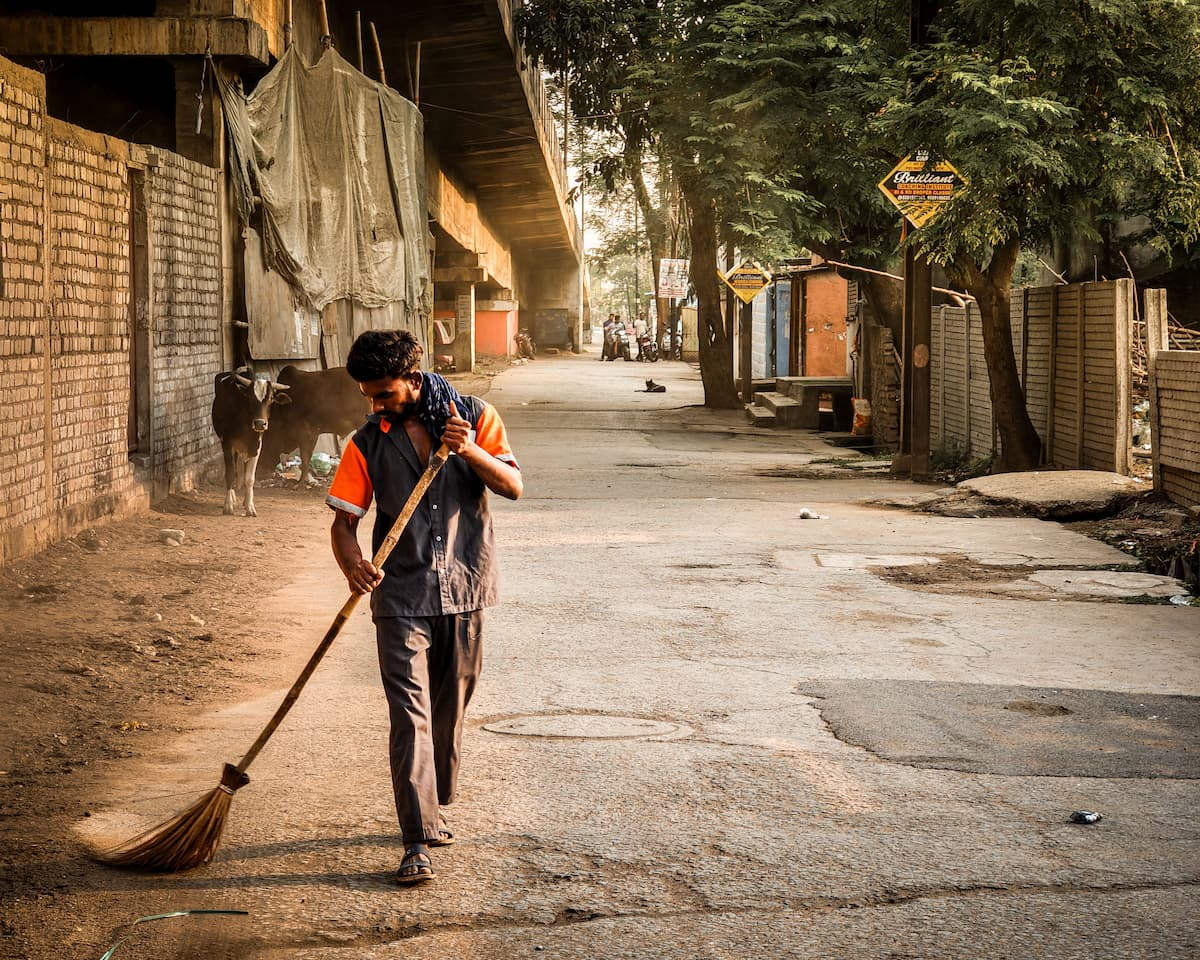
Travel Photography Tips: How to Photograph a Place Beyond the Tourist Attractions
Most travel photography tips focus on camera settings, lenses or editing techniques. While those skills matter, memorable travel photographs usually begin long before you press the shutter. They come from slowing down, paying attention and understanding the character of the places you visit.
The strongest travel photographs rarely rely on famous landmarks alone. Instead, they reveal the everyday moments, quiet streets, changing light and local details that give a destination its identity. Learning to recognise those moments will not only improve your photography but also change the way you experience travel itself.
In this guide, you’ll discover practical travel photography tips that will help you move beyond simply documenting where you’ve been. From observing the rhythm of daily life to building a visual story that reflects the spirit of a place, these techniques will help you create photographs with greater depth, meaning and authenticity.
Why Most Travel Photos Look the Same
Search online for travel photography tips and you’ll quickly find advice about camera settings, composition and editing. While those techniques are valuable, they don’t explain why some travel photographs leave a lasting impression while others are quickly forgotten.
The difference often has little to do with the camera itself. Many travellers visit the same famous viewpoints, stand in the same places and photograph the same landmarks from almost identical angles. The result is a technically competent photograph that could have been taken by almost anyone.
What makes a travel photograph memorable is its ability to reveal something about the destination beyond its most recognisable attractions. A quiet street before sunrise, a market trader preparing for the day, weather rolling over a coastline or the details of everyday life often tell a richer story than another postcard view.
Most visitors photograph famous landmarks exactly as they first appear. While these images are important records of a destination, they often look very similar because everyone stands in the same place and points their camera in the same direction. The real challenge is asking what story exists beyond the obvious view.
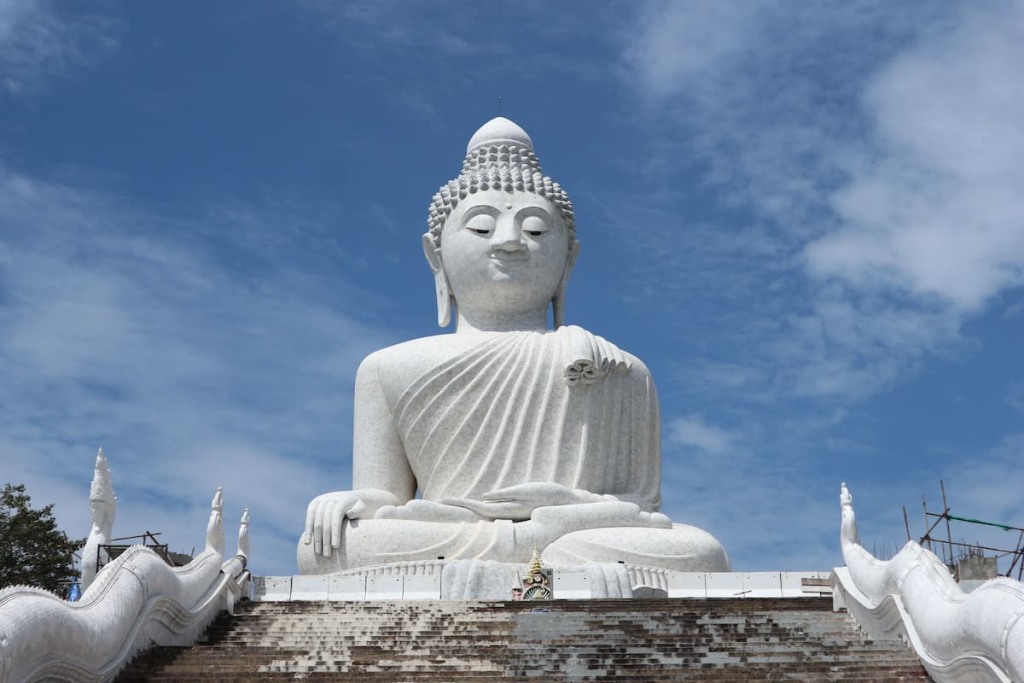
Rather than stopping here, walk around the temple. Notice the people removing their shoes, monks sweeping the grounds, families making offerings or the architectural details that most visitors pass without seeing.
Addtionally change your thinking from, “What should I photograph here?” try asking, “What makes this place different from everywhere else?” That small shift in perspective changes the way you observe a destination, and ultimately the photographs you create.
The following travel photography tips are designed to help you make that transition—from collecting images of places to telling the story of the places you’ve experienced.
Travel Photography Tips: Look Beyond the Tourist Attractions
Famous landmarks deserve a place in your travel photography. They’re often iconic for a reason and can help establish where your story takes place. The mistake isn’t photographing them—it’s stopping there.
Once you’ve captured the landmark, spend time exploring what surrounds it. Walk the nearby streets, visit local cafés, watch how residents move through the area and pay attention to the details that many visitors overlook. These quieter moments often reveal far more about a destination than the attraction itself.
For example, a temple isn’t only its ornate architecture. It might be the sound of sweeping brooms before sunrise, visitors quietly removing their shoes, weathered prayer bells, or soft light filtering through an open doorway. Those smaller moments provide context and create photographs that feel personal rather than predictable.
The same approach applies everywhere you travel. A beach is more than its coastline, a market is more than its stalls, and a city square is more than its monuments. Every destination has a rhythm that exists beyond its postcard views.
Before leaving a location, challenge yourself to make at least three photographs that couldn’t have been taken by someone who only stayed for five minutes. That simple habit encourages you to slow down, observe more carefully and discover the character that makes each place unique.
Return to the Same Place More Than Once
One of the most valuable travel photography tips requires no new equipment or technical skill. Instead of constantly searching for the next location, return to the same place more than once.
A destination changes throughout the day. Early mornings bring soft light and quiet streets, markets slowly come to life, cafés prepare for the morning rush and beaches remain largely undisturbed. By afternoon the atmosphere is different again, while evenings introduce new colours, movement and energy.
Returning also changes the way you see a place. During your first visit, you’re usually focused on finding your way and noticing the obvious. By the second or third visit, you begin recognising patterns, anticipating moments and observing details that were easy to miss before.
This patience often leads to stronger photographs. Instead of reacting to what happens in front of you, you start understanding the rhythm of the location and positioning yourself where meaningful moments are likely to unfold.
If your itinerary allows, choose one location each day and revisit it at a different time. You’ll not only come away with more varied photographs, but also with a deeper understanding of the destination itself.
Photograph the Details That Tell the Story
Every destination has details that visitors walk past without a second thought. While they may seem ordinary in the moment, these small elements often become the photographs that best capture the character of a place.
Look for weathered textures, handwritten signs, colourful market produce, fishing nets drying in the sun, worn temple steps, café tables, street art or traditional architecture. Individually they may appear insignificant, but together they create a visual story that feels authentic and rooted in place.
Details also add variety to your travel photography. A strong collection of images usually combines wide scenes that establish the location with closer photographs that reveal its personality. This balance helps viewers feel as though they are exploring the destination rather than simply looking at a series of scenic views.
As you photograph, ask yourself what someone would miss if they only spent an hour here. The answer is often found in the details rather than the landmarks.
When you begin noticing these quieter moments, your photographs become more than a record of where you travelled. They become a reflection of what made that place memorable.
Include People as Part of the Story
People give travel photographs a sense of life, scale and connection. Even when they aren’t the main subject, they help tell the story of a destination by showing how a place is lived in rather than simply visited.
Instead of asking strangers to pose, look for natural moments. A shop owner opening for the day, a monk walking through temple grounds, fishermen preparing their boats or families enjoying a local park often reveal more about a destination than a carefully arranged portrait.
When photographing people, be respectful of local customs and personal privacy. In some situations it’s appropriate to ask permission, while in busy public spaces candid moments may feel more natural. Understanding the culture you’re visiting is just as important as understanding your camera.
Try to place people within their environment rather than isolating them. Showing someone interacting with a market, a street, a beach or a place of worship provides context that strengthens the story your photograph is telling.
Before photographing people, it’s worth understanding local customs and respecting cultural differences. Resources such as UNESCO’s Intangible Cultural Heritage programme can provide useful background on traditions and cultural practices before you travel.
The goal isn’t simply to photograph people—it’s to photograph the relationship between people and place. That relationship is often what transforms a travel photograph from a beautiful image into a meaningful one.
Capture the Rhythm of Everyday Life
Every destination follows a daily rhythm. Markets slowly fill with customers, cafés prepare for breakfast, school children walk familiar routes, fishermen return with the morning catch and quiet streets gradually become busy. Learning to recognise these patterns is one of the most valuable travel photography skills you can develop.
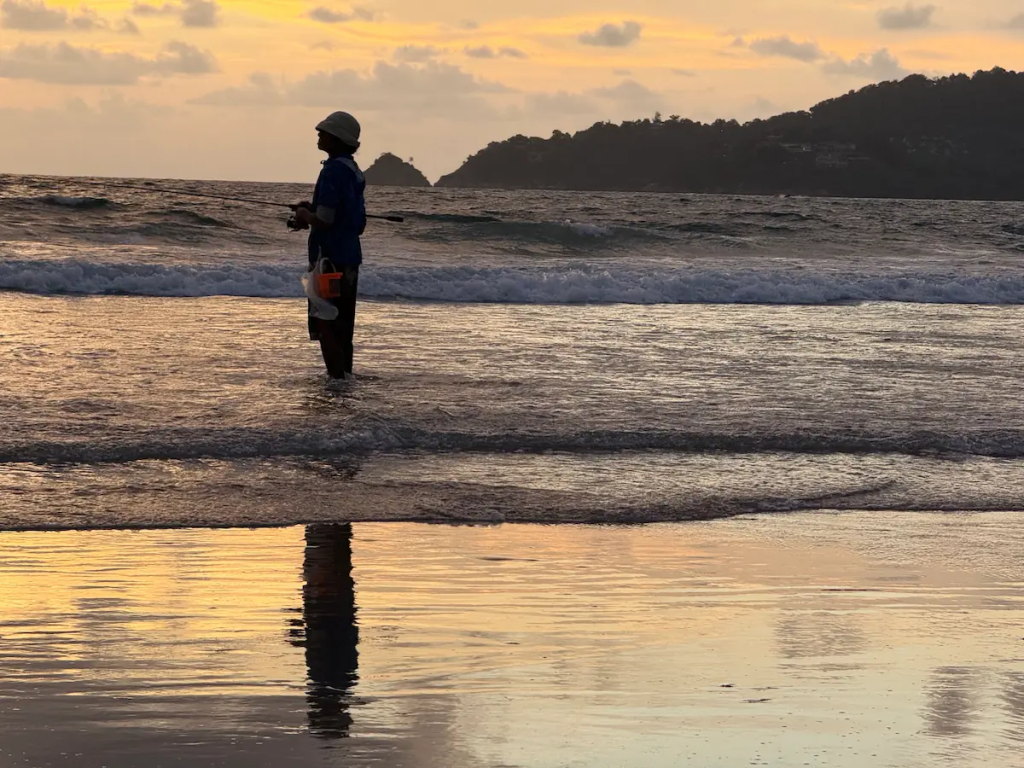
Rather than arriving at random, spend a few minutes simply watching before taking your camera out. Notice where people are moving, how the light changes across the scene and whether a particular moment repeats itself. Often the strongest photographs come from anticipation rather than quick reactions.
Patience also allows you to simplify your compositions. Instead of photographing a crowded scene the moment you arrive, wait for the right person to enter the frame, for a shaft of light to appear or for a brief pause in the activity. Small changes can dramatically improve the final image.
This approach encourages you to experience a destination rather than rush through it. The more time you spend observing, the more naturally its rhythm begins to reveal itself, and your photographs become a reflection of that experience instead of a collection of isolated moments.
The best travel photographers don’t simply record what happened. They learn to recognise when a place is about to tell its story and are ready when that moment arrives.
Build a Story Instead of a Collection of Images
One of the easiest ways to improve your travel photography is to stop thinking about individual photographs and start thinking about visual stories. A single image can capture a moment, but a series of thoughtful photographs can capture the experience of a place.
When you arrive at a destination, challenge yourself to photograph it from different perspectives. Begin with a wide image that establishes the location, then move closer to photograph details, everyday interactions and quieter moments that reveal its personality. Finish with images that reflect the atmosphere or emotion you experienced while you were there.
This approach naturally creates a balanced collection of photographs. Instead of returning home with dozens of similar landmark images, you’ll have a visual narrative that shows not only what the destination looked like, but what it felt like to be there.
As you review your photographs, ask yourself a simple question: Could someone understand this place if these were the only images they ever saw? If the answer is yes, you’ve done more than document a destination—you’ve told its story.
The most memorable travel photography doesn’t just remind us where we’ve been. It helps us remember how a place looked, felt and lived long after the journey has ended.
Travel Photography Begins Before You Pick Up the Camera
The most valuable travel photography tips have very little to do with camera settings or expensive equipment. They begin with curiosity, patience and a willingness to look beyond the obvious.
Every destination has a story waiting to be discovered. Sometimes it’s found in the famous landmarks, but more often it’s revealed through the quiet moments between them—the streets people walk every day, the changing light, familiar faces and the details that give a place its character.
The next time you travel, challenge yourself to slow down. Return to places that interest you, watch before you photograph and look for the moments that many people pass by without noticing. You’ll not only create stronger photographs, but also develop a deeper connection with the places you visit.
The camera records what is in front of you. The photographer decides what is worth seeing.
Continue the Conversation
Companion Essay: The Difference Between Visiting and Knowing a Place
This guide explored how to create more meaningful travel photographs through observation and visual storytelling. The companion essay explores the same idea from a different perspective, reflecting on why slowing down, returning and truly knowing a place changes not only the photographs we make, but the way we experience travel.
Read the companion essay →
Frequently Asked Questions: travel photography tips
What makes a good travel photograph?
A good travel photograph captures more than a beautiful view. It tells a story about a destination through its people, culture, light, atmosphere or everyday moments. The strongest images help viewers understand what it felt like to experience a place rather than simply showing where it is.
How can I take more unique travel photos?
Move beyond the main attractions and spend time exploring the streets, markets and neighbourhoods around them. Visit locations more than once, photograph at different times of day and look for details that reveal the character of a destination. Slowing down often leads to more original photographs than constantly searching for new locations.
Do I need an expensive camera for travel photography?
No. Modern smartphones and entry-level cameras are capable of producing excellent travel photographs. Observation, timing and composition have a much greater impact on your images than the cost of your equipment.
What is the best time of day for travel photography?
Early morning and late afternoon usually provide the most flattering natural light, but every time of day offers different opportunities. Morning often reveals quieter streets and softer light, while evenings can capture vibrant markets, city lights and a completely different atmosphere.
Should I photograph famous landmarks?
Absolutely. Iconic landmarks help tell the story of a destination, but they shouldn’t be the only photographs you make. Some of the most memorable travel images come from the people, details and everyday moments that exist beyond the landmark itself.
About the Author
Anthony Hibbins is a travel photographer and writer with a passion for exploring places beyond their landmarks. Through Undivided Journal, he combines photography and reflective writing to encourage slower, more thoughtful travel and a deeper appreciation of the destinations we visit.
His work focuses on observation, visual storytelling and the small details that give every place its own character. Rather than chasing postcard views alone, Anthony believes the most meaningful travel photographs are created by understanding a destination, returning with curiosity and noticing the moments that many travellers overlook.
When he isn’t writing or photographing, Anthony can usually be found walking unfamiliar streets before sunrise, revisiting favourite locations or waiting for the quiet moments that reveal the true rhythm of a place.
Continue Exploring
Travel photography is just one part of understanding a destination. Throughout Undivided Journal, you’ll find thoughtful essays, practical travel photography guides and stories that explore the history, culture and everyday life of places beyond their landmarks.
Continue exploring the journal to discover our latest reflections on travel, or browse our Travel Photography collection for more practical guides on observation, visual storytelling and creating photographs with greater depth and meaning.
- Undivided Journal Home – Explore the latest essays, travel stories and photography articles.
- Travel Photography – Discover practical guides to photographing places with purpose, patience and a deeper understanding of the destinations you visit.